
Jacqui Gifford
In this edition of Cultivating Conversations, we speak with Jacqui Gifford, Editor in Chief of Travel + Leisure.
Born in Japan and raised across the Middle East, Jacqui’s global perspective was shaped long before she entered the media world. After returning to the US for college and beginning her career at Vanity Fair, she rose through the editorial ranks while navigating the rapid evolution of storytelling in a digital world.
In our conversation, she reflects on the path that led her to helm one of the world’s most influential travel publications, the emotional core of resonant travel stories, and the subtle human details that define true hospitality. From naming Brazil as the Destination of the Year for 2026 to considering the voices shaping the future of travel, she shares how curiosity and perspective continue to guide her work.
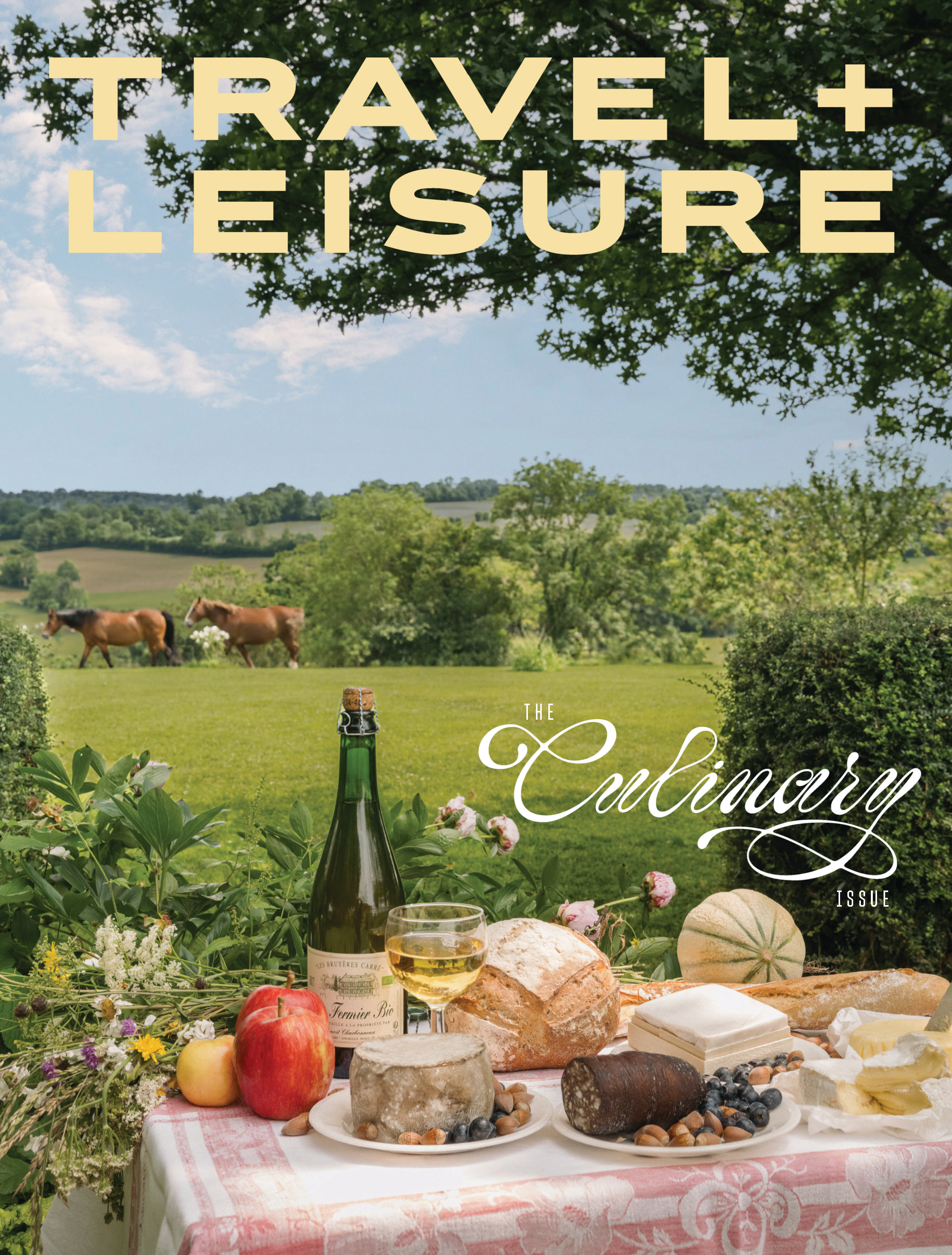
“I’M a lifelong traveler, having been born in Japan and raised in Doha, Qatar, and Saudi Arabia.”
My parents were the curious type, booking trips to Nepal and China and Kenya when many Americans were not going beyond the borders. I came back to the USA for college, moved to NYC and fell into the media, after a professor recommended me for a job. I've been writing—and traveling—ever since.
How did growing up between cultures shape the way you see the world today?
It definitely taught me to be a more tolerant person.
“To respect that other cultures value different things, and move at different paces.”
I also think it taught me how fortunate we are as Americans: we have lots of “stuff” and are spoiled for choice. Perhaps too spoiled for choice, sometimes.
What was your path on becoming Editor In Chief? Was it linear or did it unfold in unexpected ways?
I suppose you can say parts of it was linear: I started as an editorial assistant at Vanity Fair, then worked my way up the masthead at various other titles before landing at Travel + Leisure. I could have never predicted the rise in social media or that new platforms would take off or that I would now be hosting industry events and getting to interview personalities like Tracee Ellis Ross on stage. I suppose that is the best part of the job!
What risks paid off most in your career?
Saying yes to certain tasks or events or meetings, when all I wanted was to sit at home. Slightly kidding here...but what I mean is that there are times for reflection and rest at home, and then there are times you have to put yourself out there to gather information, which could lead you to that next great story.
what are your top three fashion rules for packing for a trip that everyone should follow?
Well, since this was a question that went viral on T+L social:
“I always pack a fresh pair of underwear and socks for each day.”
Some people wash on the road—I'm not one of those people. I love wrinkle resistant clothing: Pleats Please by Issey Miyake is the gold standard for evening. And I have 10 pairs of the same Tory Burch loafers, in patent and regular leather, because they are so comfortable.
when you arrive somewhere new, what are the first details you notice before anything else reveals itself?
“The smells—and those can be good or bad but ultimately it is about a sense of place.”
Every time I land in Africa in the middle of the wild, there is this herbaceousness that is incredible. Salt air in the Caribbean. Flowers in Hawaii. Hot dog stands in New York City—and yes, maybe even some trash. But it's part of the experience.
What do you believe makes a travel story truly resonate beyond the destination itself?
Travel and humor often sit well together. Or travel and sadness.
“Pair travel with a strong emotion or style, and you get a win.”
Many of the most compelling travel stories today live at the intersection of design, culture, and rituals. Why do you think audiences are craving that depth now?
We are totally overwhelmed by choice (see above) and there are no new destinations... but if you can give people a well–rounded look at a place and touch on some of these passion points, they are more likely to become engaged.
What role does storytelling play in encouraging more mindful, intentional travel?
“When you have a strong point of view, it engages the audience in a new way.”
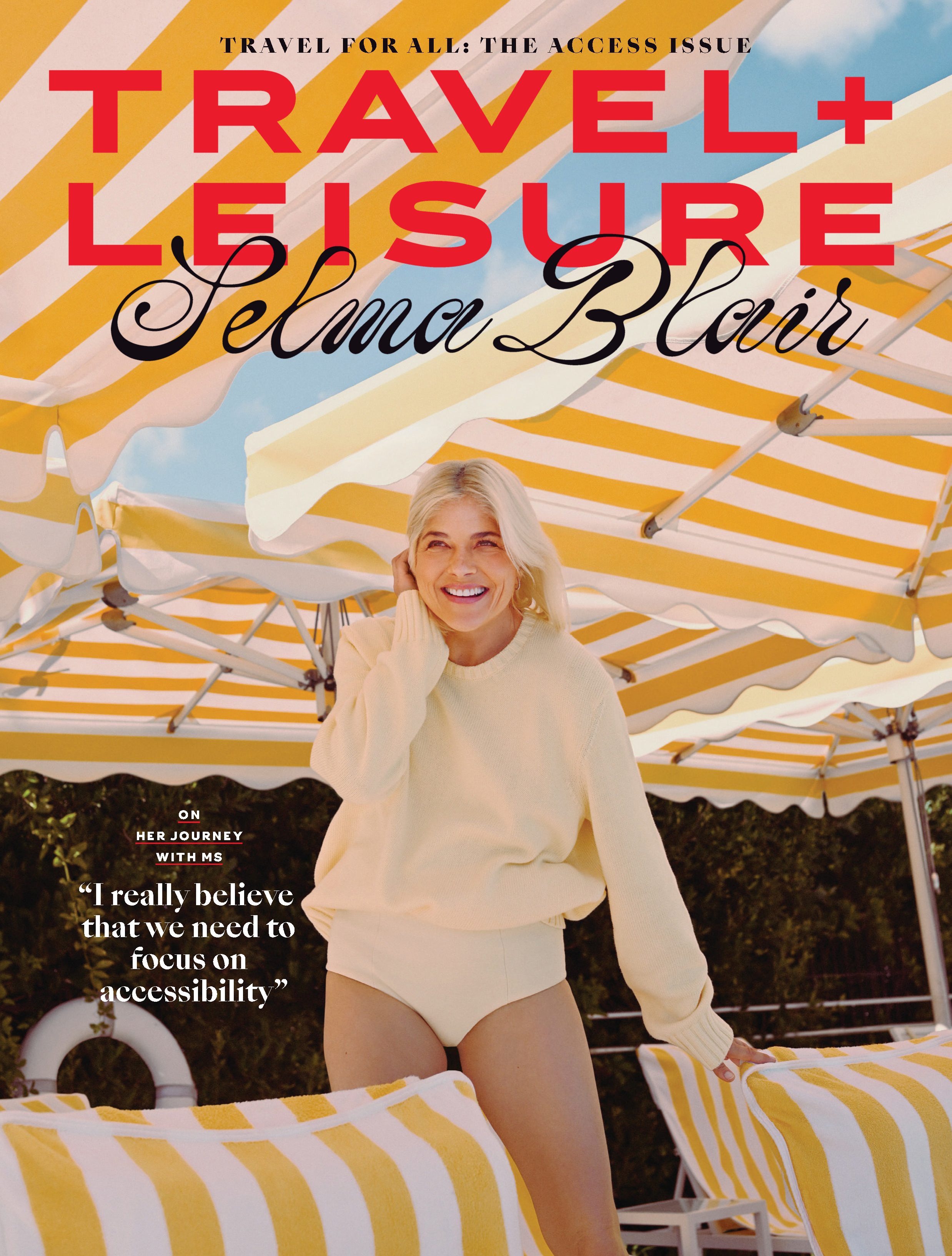
For example, we hired Abraham Vergese—author of The Covenant of Water—to travel to Kerala on assignment for us. His parents were born there, and the novel was set there (it was on the NY Times Bestseller list for 37 weeks). Obviously it made a difference to have someone with his authority give that perspective.
What are the subtle cues that tell you a place truly understands care?
I stayed at the new Mandarin Oriental in Mayfair and they had looked at my social media to see what I was up to. They left two books on my night table that applied to my current travels and/or reading habits. It was so smart and thoughtful. I cried.
What first drew you and the team at T&L to champion Brazil as the Destination of the Year for 2026?
There were several things--the focus on sustainability, the importance of music, the beach culture—but one big tip that I want to share: Brazil is basically in the same time zone as us, with some variation depending upon where you live. And a lot of people today are trying to maximize how much time they spend on the road.
“You can go to Brazil and not be jet lagged.”
What kind of research goes into deciding a destination like Brazil? Beyond the visuals, what metrics or voices do you prioritize?
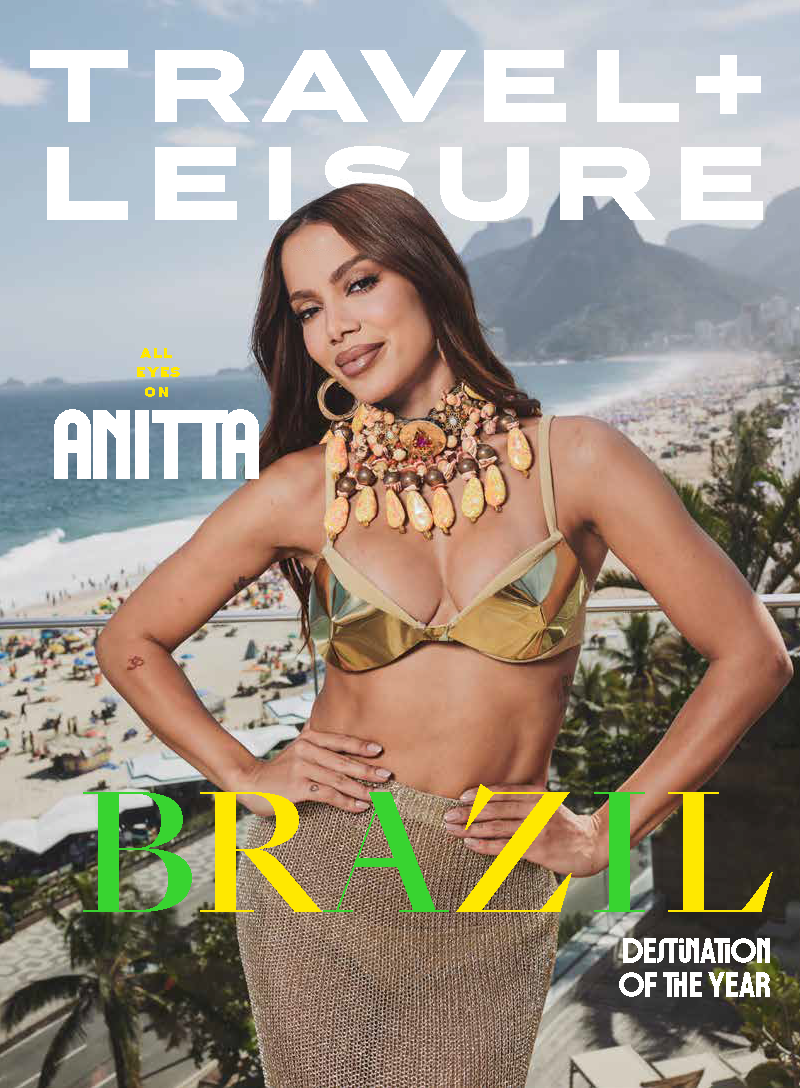
I look at where the mood and vibe is shifting—I felt that people wanted to go to a place that had a variety of experiences and also where you could stay out a bit late and let your hair down (hello, Carnival). Also, I wanted to pick a place that had a celebrity that perfectly encapsulated the energy of the moment. That was Anitta, for sure.
How do you think editorial platforms can help travelers slow down and engage more meaningfully with where they are?
We edit things down to the need to know, and there is a level of trust that we have with our audience that keeps the community engaged. The internet is so vast and you can get lost trying to find every single restaurant or bar to visit,
“we tell you the best ones.”
What responsibility do travel editors have in shaping how audiences perceive and move through the world?
I think the best thing you can do is ask questions, document, fact–check, probe a little deeper than what you think the surface is showing you.
Travel media increasingly overlaps with social storytelling. What excites you most about how these worlds are evolving together?
I think it's exciting to see how people find fresh angles on well–loved places. Meaning, even the idea of going to Antaractica on a cruise is super exciting—but surprise!—many people have done it.
“What is the individual POV that makes it stand out?”
Looking ahead, what kinds of travel narratives do you believe deserve more space and care?
I think we should start listening to kids more.
“gen Alpha is the most well–traveled bunch of them all.”
As the mother of a 10–year–old son, I am always quite surprised to see what he notices—and what I overlook.