
Tanu Vasu
For artist and creative director Tanu Vasu, every illustration begins with a story. Drawing on heritage, archival research, and traditional hand-inking techniques, she creates richly detailed worlds for some of luxury’s most recognizable names, including Tiffany & Co., The Plaza, Rosewood Hotels, The Carlyle, and Park Hyatt. Her work is designed not simply to be seen, but discovered, with references, rituals, and pieces of brand history layered throughout.
For our September edition of Cultivating Conversations, we spoke with Tanu about the childhood memory that first inspired her to draw, why she embraces a slower creative process, and the role of craftsmanship in an increasingly digital world. She also shares how travel, collecting, and her love of maps inform her perspective, and why she hopes the work she creates today becomes the heirlooms people keep for years to come.
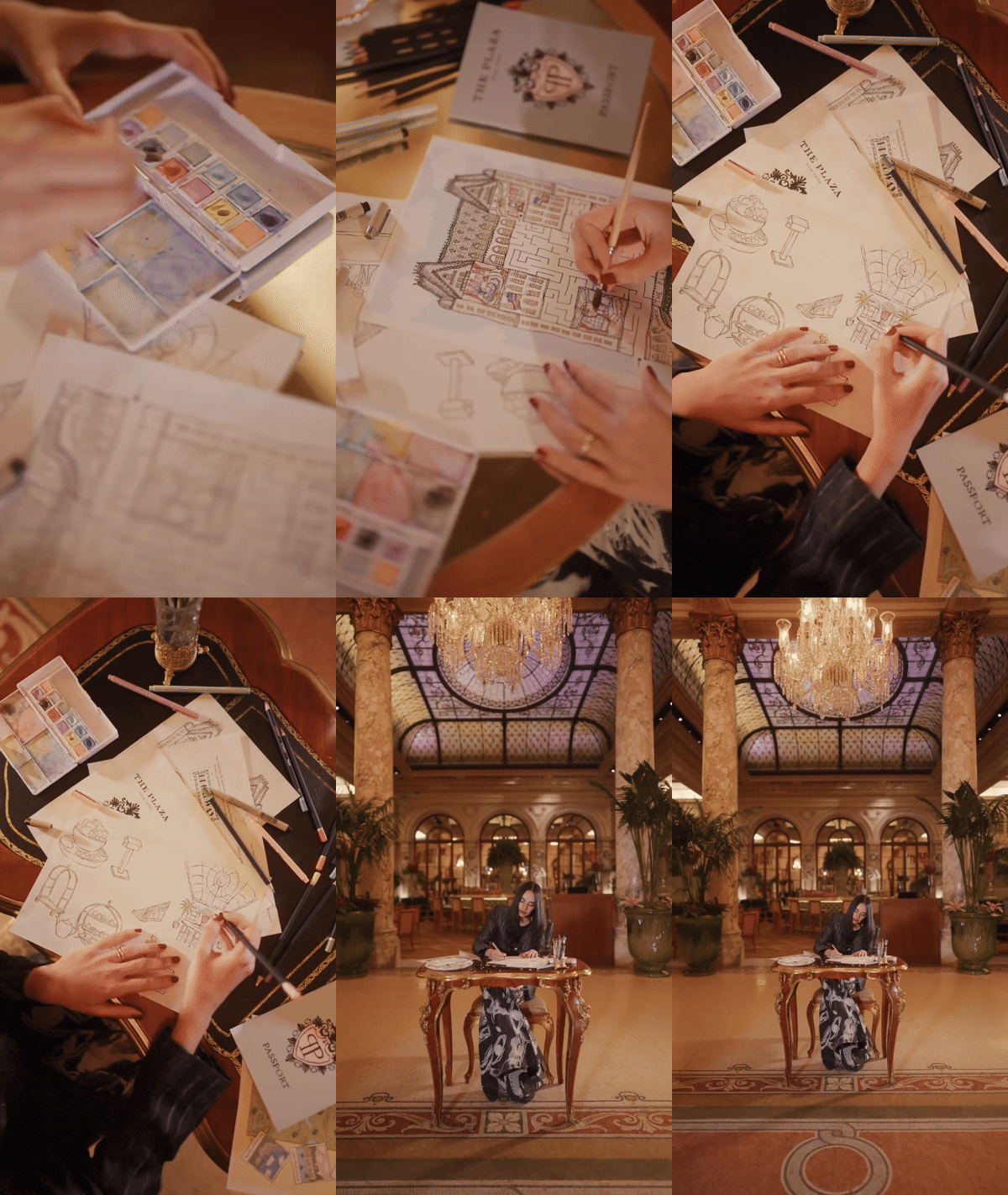
can you tell us a little bit about yourself?
“I’m an artist and creative director—but at the heart of it all, I’m a storyteller.”
I develop the concepts, the direction, the narrative arc of every piece I create, and everything is anchored in heritage, legacy, and old–world hand–inking technique. That combination, concept first, history always, and a slow process, artisanal technique behind the ink—is the key to everything I create. I was born and raised in Sydney, spent a decade in fashion design before I gave myself fully to creative direction through art and illustration, and I've been based in New York for over a decade.
What first drew you to illustration?
My first memory in life is my grandfather teaching me how to draw—this old wooden table in his study, him sketching so patiently, and me thinking, even as a little kid, how incredible would it be if this could be my life. Everything since then traces back to that table. I’ve never been without a pen and paper since.
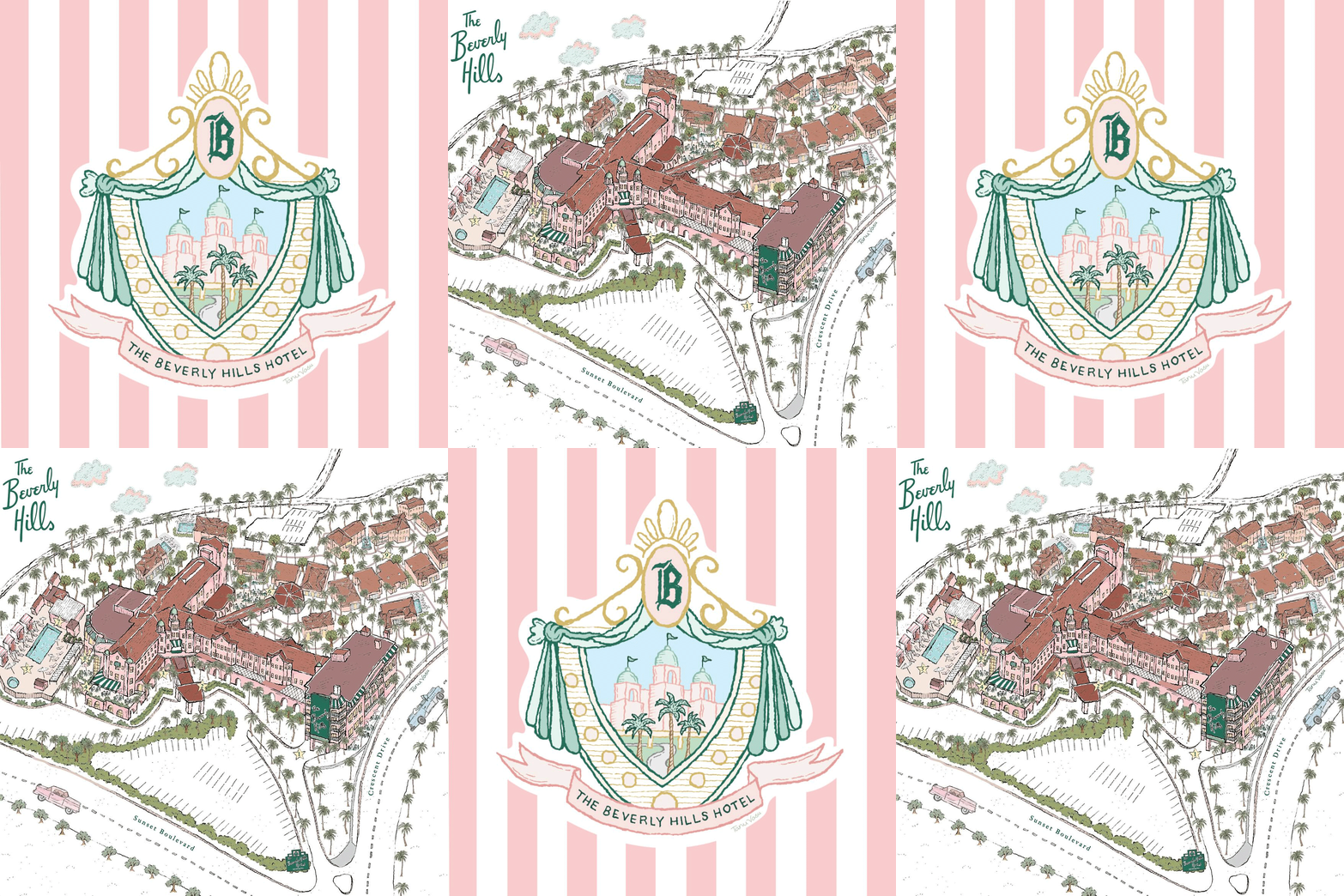
Many of the brands you collaborate with have decades of history. How do you uncover the details that are worth bringing forward?
It really starts with story–collecting. I love antiques and vintage—anything with a storied history influences my work. I go into a brand's archive, sit with the people who’ve worked there for years, and look for the layers that are beyond the surface.
“My process itself is slow and deliberate.”
Pencil sketches first, several drafts, real in–person collaboration with the brand before ink lines are drawn. I lean into a slow creative technique on purpose—it allows me to sit with the details rather than rush past them.
Your illustrations often include hidden references and small discoveries. Why do those subtle details matter?
“I’ll add small motifs and elements pulled directly from a brand’s history and iconography into the illustrations.”
But unless you know the story behind them, they don’t necessarily announce themselves. That’s intentional. It’s a hidden layer, almost a private language between the piece and the person who takes the time to observe. I love that someone can enjoy the work at a glance, and then discover, on the third or fourth look, that a tiny symbol tucked into a corner actually references something real from that brand’s past.
How do you think illustration changes the way people experience a brand?
This one is personal for me. As a kid, I was so attached to the little tokens I’d receive from hotels and brands—postcards, maps, small keepsakes—that I’ve carried that attachment into everything I make.
“I’m not trying to create marketing materials. I’m trying to create heirlooms.”
I strive to create pieces that people cherish, keep, frame, and pass down. There is nothing more special to me than seeing one of my maps framed on someone’s wall, knowing it’s tied to a real moment in their life, a trip they took, a brand story that meant something to them. That’s the difference: illustration doesn’t just advertise an experience, it becomes part of someone’s own story from their perspective.
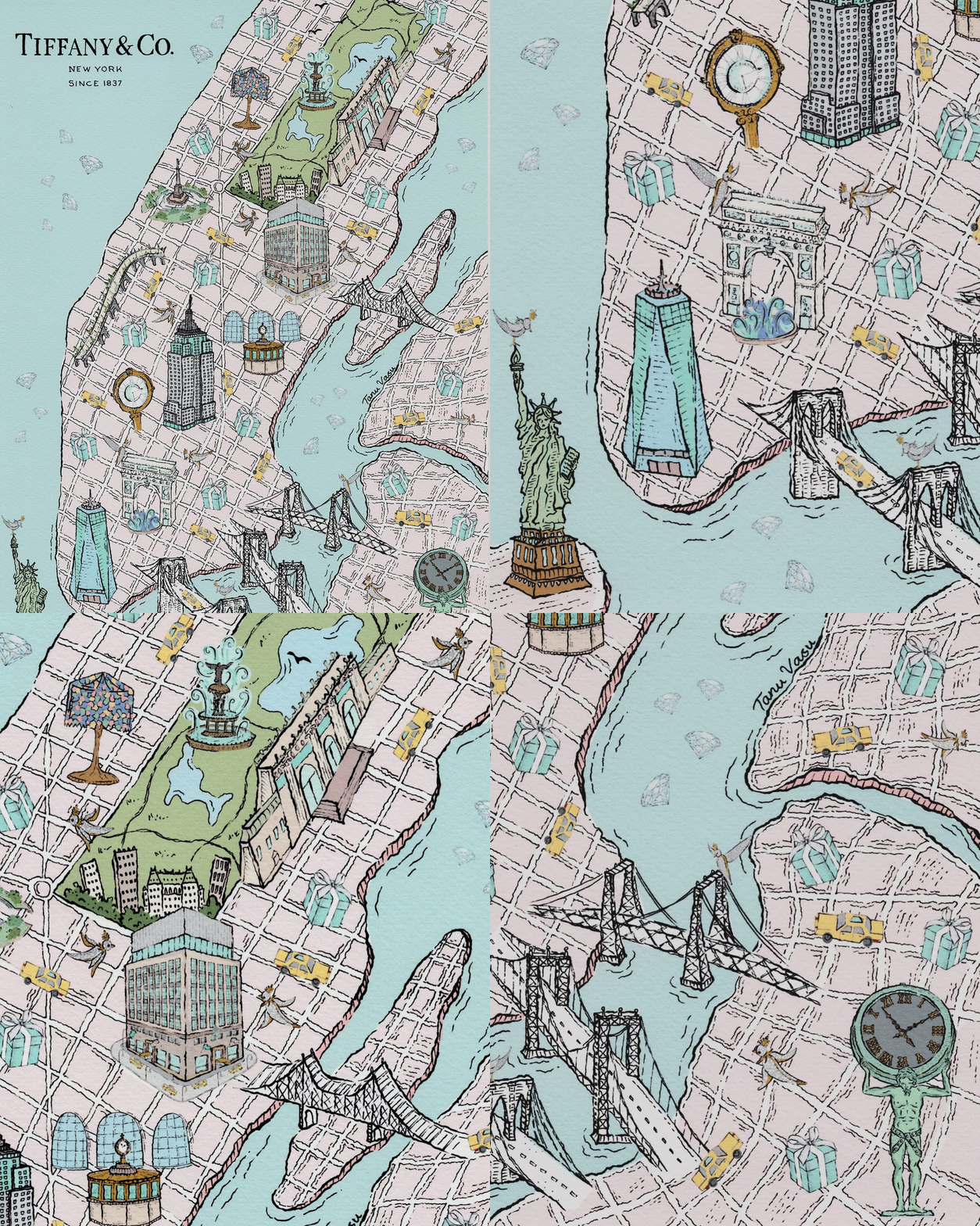
You work with some of the most recognizable names in luxury, from Tiffany & Co. and The Plaza to Rosewood Hotels and The Carlyle. How do you create something that feels unmistakably theirs while still carrying your own artistic signature?
I do a huge amount of research and I absolutely love research. I know so much history about every brand I work with, and that part of the process is the ultimate driving force for me.
“It always comes back to heritage, storytelling, and brand-building.”
I keep it in my style by maintaining my signature etching and ink linework and color palette, while introducing specific elements and components pulled from that brand’s own history. So the piece is unmistakably theirs in its content and unmistakably mine in its hand and aesthetic.
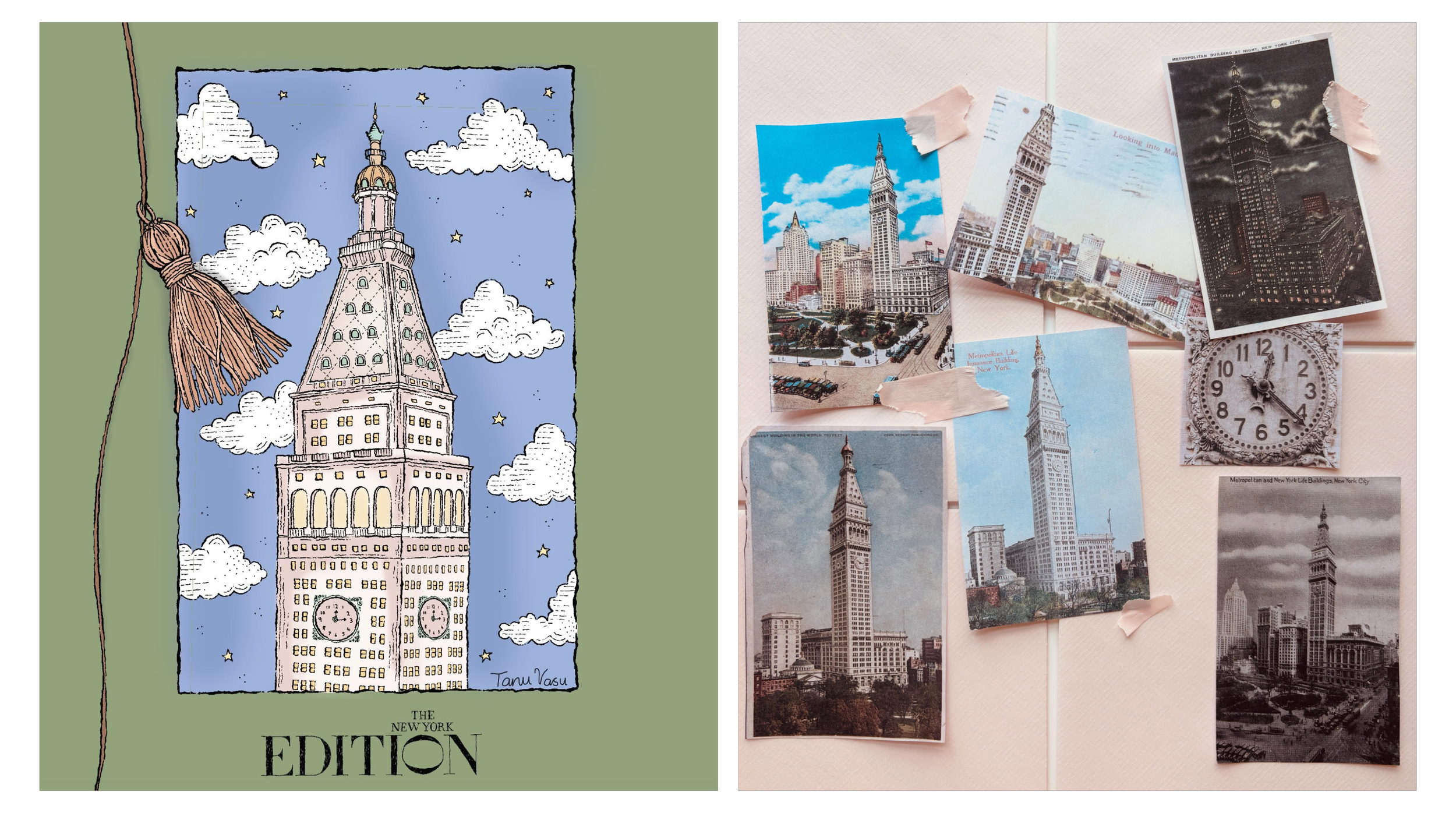
Hospitality is filled with memorable rituals, whether it's afternoon tea, checking into a grand hotel, or discovering a favorite corner of a city. Which rituals inspire you most creatively?
“I’m a collector of memories. I lean heavily into postcards, vintage memorabilia, ephemera, old hotel maps, artworks—I collect all of it.”
Those objects hold rituals in a way that’s easy to overlook, and the beauty of them is that they’re something you can keep, something you can take away with you. That idea is what I built my whole brand around—creating things people can hold onto long after the moment has passed, in collaboration with incredible heritage brands that let me celebrate them through my own lens, and on a self–initiated level too.
You illustrate by hand using traditional ink and etching techniques. In a world increasingly shaped by digital tools and AI, what continues to draw you to an analog process?
In a world that’s becoming so digital–driven, I think what sets my work apart is that there's real human creativity and hand–craftsmanship behind every single piece.
“Hand-inking is my homage to the artisan.”
I’ve learned these techniques from people who’ve spent lifetimes perfecting them, and I’m building on that momentum with every piece I make. Every line is drawn by hand. It's glorious to me, honestly, and it’s what makes the work so distinctly mine.
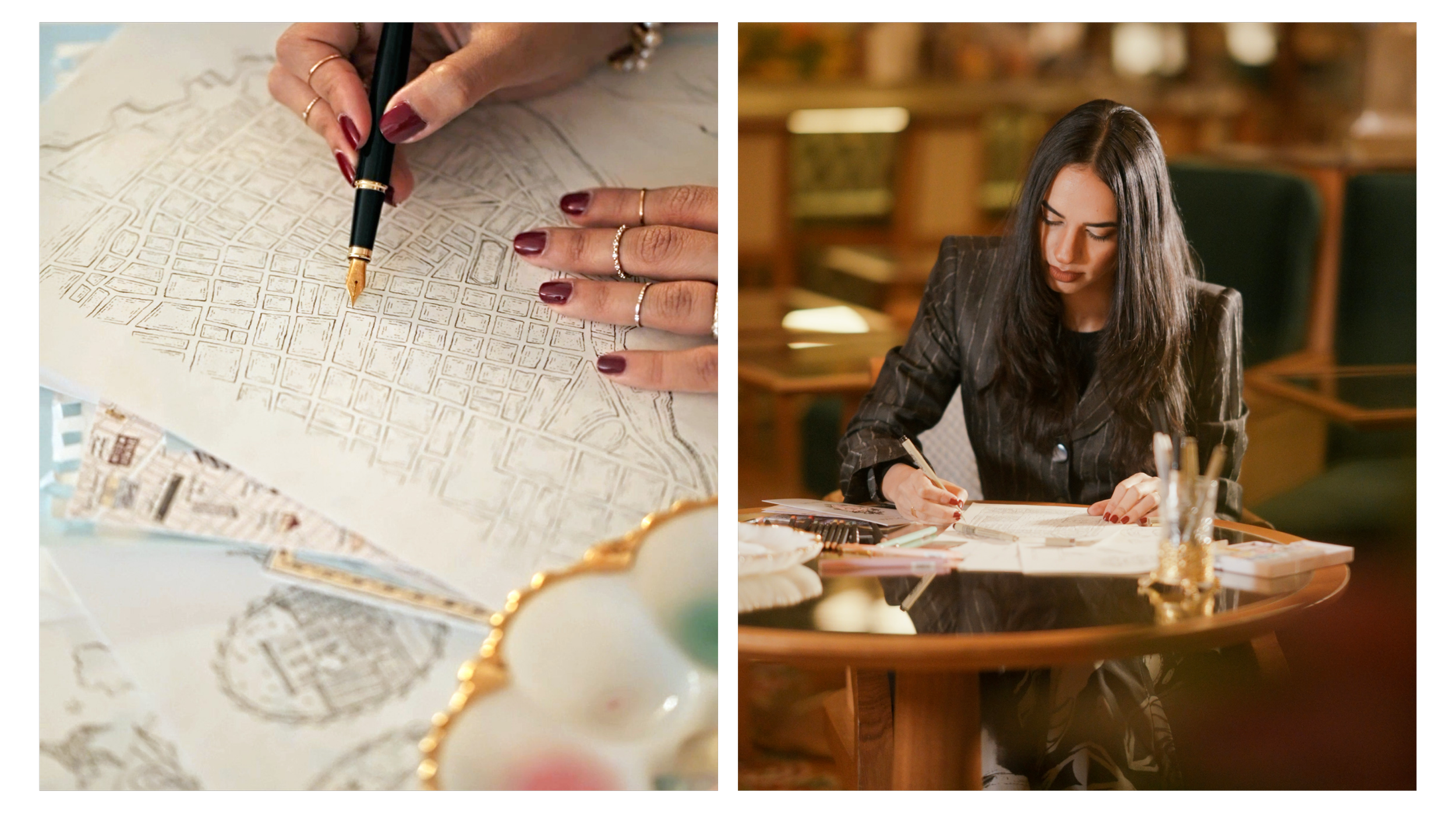
Some of your work captures entire destinations through a collection of tiny moments and symbols. What makes a place instantly recognizable to you?
“I’m a cartographer at heart—a map enthusiast through and through.”
That habit of reading a city by block, by street, by neighborhood, trained me to see places in fragments instead of landmarks. And I think fragments matter. Stories matter. People matter. A place becomes recognizable to me not through its most photographed view, but through the small, human details—a shopfront, a character on a corner, a pattern I’ve only ever seen there. That’s what I’m always chasing to capture in the work.
Luxury is often associated with exclusivity, but your work feels remarkably welcoming and approachable. Is that intentional?
Very intentional. I think about the way people bond with brands, hotels, restaurants, museums—with their purchases, their experiences—and that bond is personal, not exclusionary. Through art, I get to celebrate both the brand I’m creating for and the human component behind it—the people who love it, the people who’ll keep the piece. Luxury doesn’t have to mean distance.
“I think warmth is actually what makes it meaningful and distinct.”
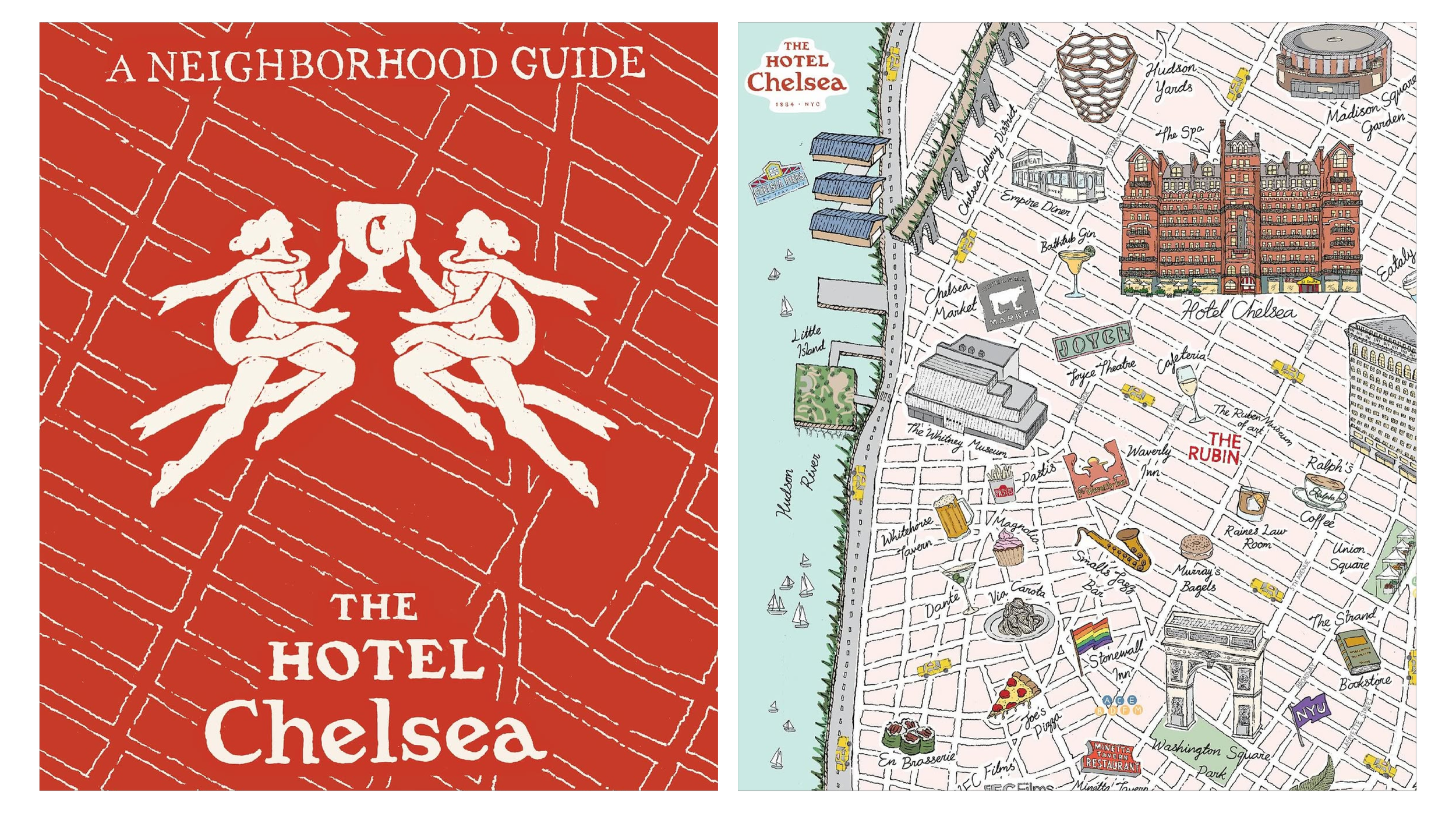
Travel has long inspired artists. How has your own experience exploring cities and cultures influenced your creative perspective?
Travel, for me, is walking through cities, through museums and galleries, into small shops and boutiques, seeking out local craftsmen and artisans wherever I go. That’s where I find the real texture of a place. Moving from Sydney to New York as a young woman chasing a dream I’d had since I was ten only deepened that instinct—I’m always collecting, always falling in love with the details, and all of it eventually makes its way back into the work.
When someone looks at one of your illustrations, what do you hope they notice first? And what do you hope they discover the second time they look?
“I want someone to feel transported to a place—a bit of magic, a bit of storytelling, right from the first look.”
But there’s real layering underneath that, and I want people to find it. There’s also a technicality in my work, the etching, the fine detail, the linework, all done entirely by hand. It can be easy to miss at a glance, but if you look closely, it’s all there.
Many of your illustrations become keepsakes rather than campaigns. What do you think gives a piece of art lasting value?
The idea of the heirloom is something I think about constantly.
“I want my work to outlive the moment it was made foR—to be the piece that gets framed, kept, and eventually passed down.”
That’s what gives it lasting value, when it stops being a campaign and becomes part of someone’s own family story, tied to a memory that means something to them. I am honored to be a small part of their story through my art.
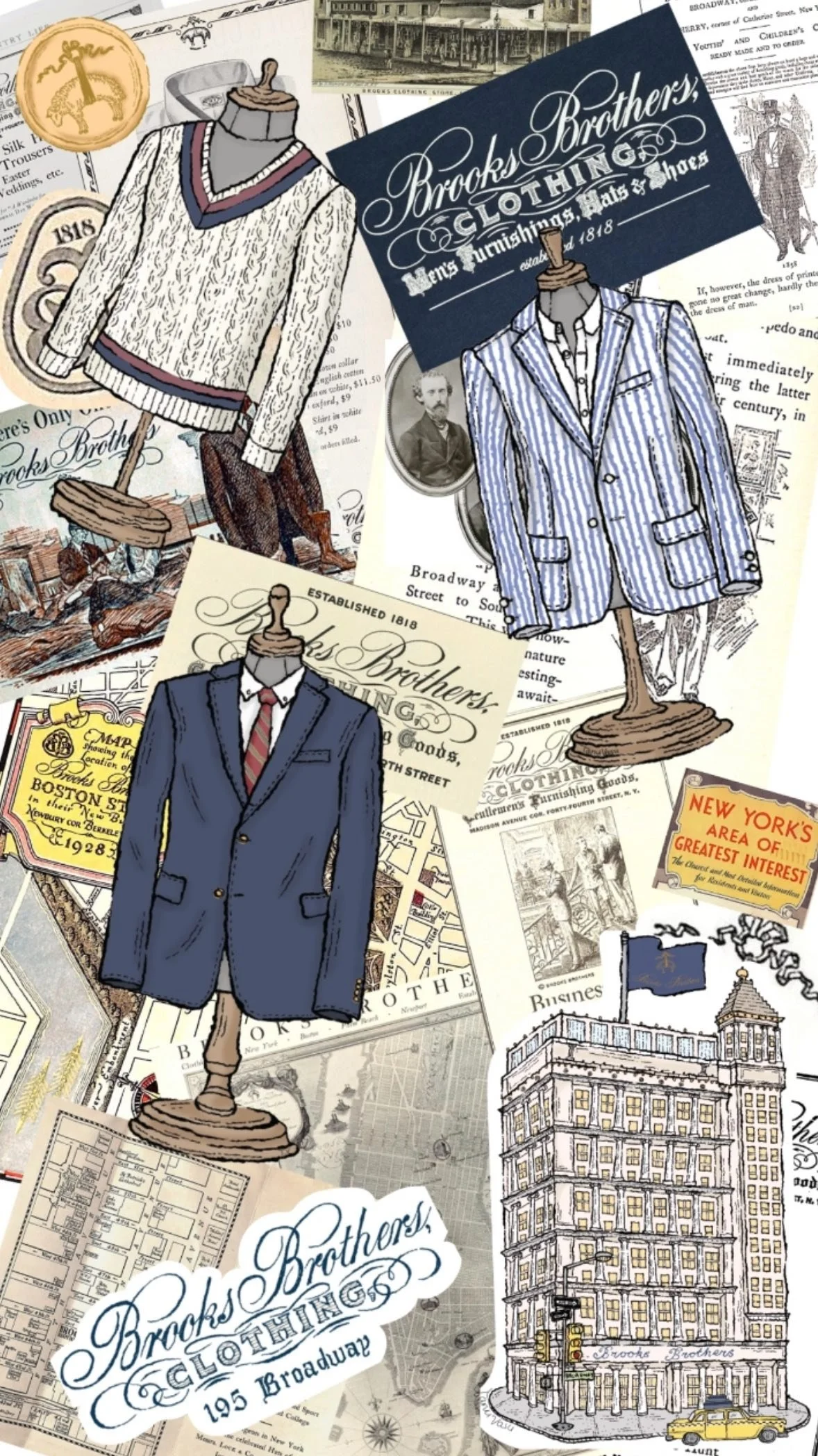
Looking ahead, how do you see illustration evolving within luxury hospitality and travel?
“I think brands will lean into craft and slowness as a counterpoint to how fast everything else moves.”
Hand–drawn work offers a kind of intimacy and history that simply can’t be manufactured quickly, and I think that becomes more valuable, not less, as the world gets more automated.
When people think about you and the brand you've created years from now, what do you hope they remember most about the stories you chose to tell?
I hope people see the heirlooms—the pieces that got framed, kept, passed down—and understand the storytelling underneath them, the heritage of the brands, and a little bit of my own story too. I want them to see how deeply passionate I am about this work, how much goes on behind the scenes—the layering, the detail, the research, the many hours of hand-inking. All of it, driven by my heart. That’s really what I’d want to remember, the craftsmanship, the warmth, the outpour of love and soul that went into every single piece.
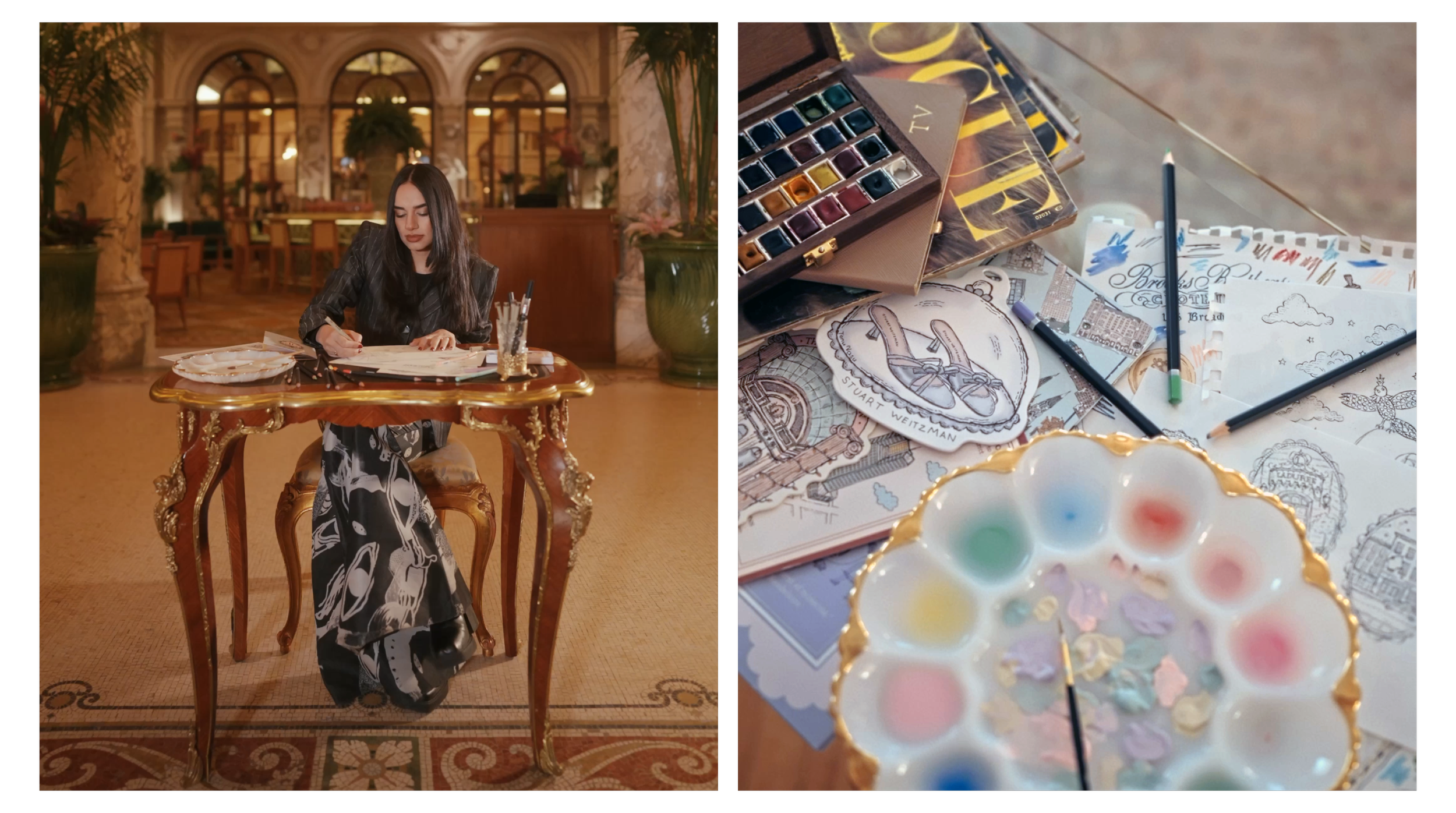
© All artwork by Tanu Vasu. Photographs of Tanu at The Plaza by David Courbit.